The 28 Narakas Explained: Scriptural Meaning & Spiritual Lessons
Below is the complete detailed account of the twenty-eight transitional realms described in the Fifth Canto of the Srimad Bhagavata Purana and the Garuda Purana. Each entry highlights the symbolic realm, its moral context, and the underlying lesson for righteous living.

1. Tamisra (Tamisram)
Meaning: Realm of Darkness.
Traditional Context: According to Hindu tradition, Tamisra is described
as a transitional state associated with heavy disorientation caused by excessive
attachment, greed, and possessiveness over another's wealth or family.
Spiritual Interpretation: Traditional texts explain that unchecked
material greed clouds the soul's inner light, trapping consciousness in mental obscurity
and restless desire.
Spiritual Lesson: Practice contentment (Santosha), gratitude, and
respect for others' boundaries to cultivate true mental peace and spiritual clarity.

2. Andhatamisra (Andhatamisram)
Meaning: Blind Darkness.
Traditional Context: Traditional scriptures describe Andhatamisra as a
state of deep isolation experienced by those who deceitfully exploit trusting
relationships or break sacred family bonds.
Spiritual Interpretation: Many devotees understand this concept as a
symbol of how betrayal severs the soul's connection to divine intuition, creating an
illusion of total spiritual blindness.
Spiritual Lesson: Uphold truthfulness (Satya), loyalty, and transparent
goodwill in all personal and familial obligations.

3. Raurava
Meaning: Realm of Subtle Roaring.
Traditional Context: Named after the subtle Ruru creature in
puranic texts, Raurava is associated with individuals who inflicted harm upon living
beings solely for selfish gratification.
Spiritual Interpretation: Puranic literature teaches that distress
inflicted on others reverberates back to the originator as internal emotional turmoil
and restlessness.
Spiritual Lesson: Embrace non-violence (Ahimsa) and extend loving
compassion toward all living creatures.

4. Maharaurava
Meaning: Great Roaring Realm.
Traditional Context: According to Garuda Purana references, Maharaurava
represents an intensified state reserved for those who engaged in deliberate, widespread
harm against innocent communities.
Spiritual Interpretation: Scholars interpret this as an illustration of
how collective cruelty generates profound karmic friction within the subtle
body.
Spiritual Lesson: Actively protect the vulnerable, uphold social
justice, and promote peace within your community.
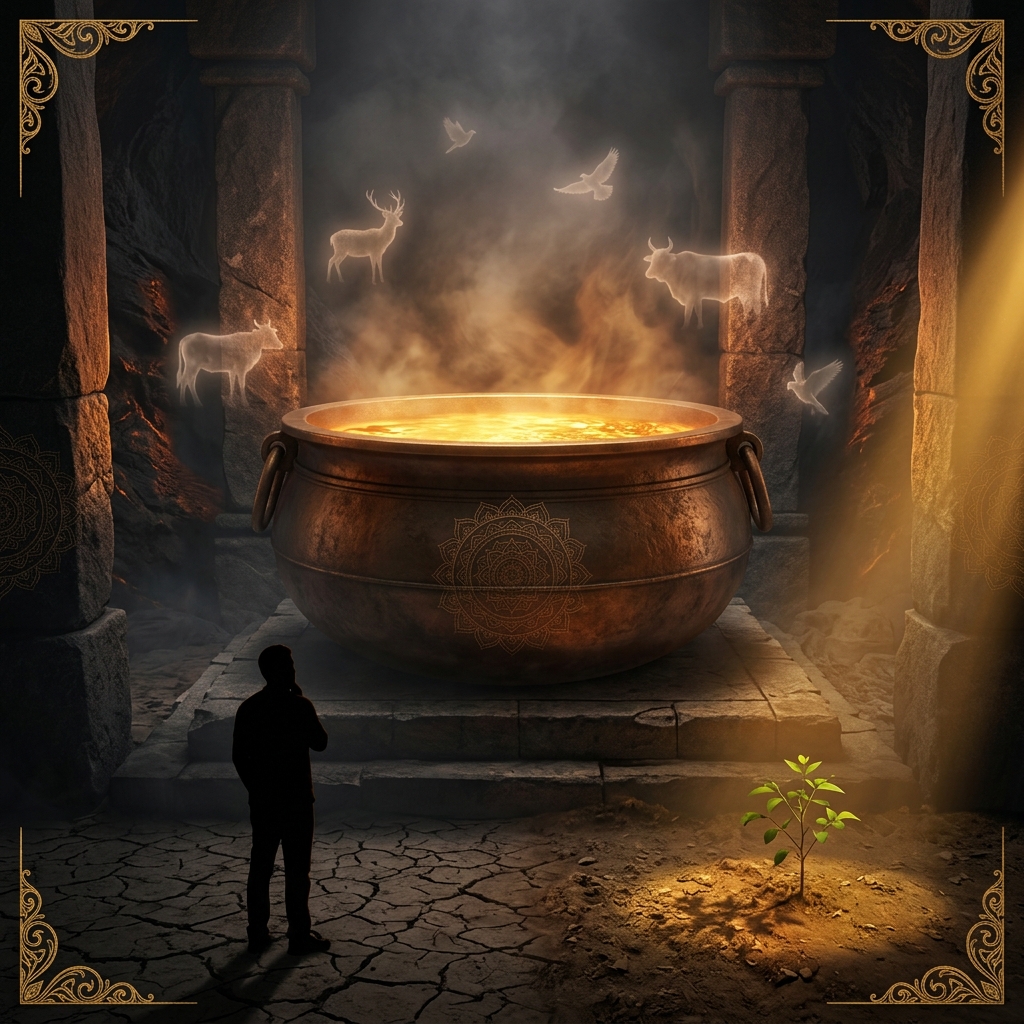
5. Kumbhipaka
Meaning: Vessel of Heated Elements.
Traditional Context: Traditional texts depict Kumbhipaka as a realm
associated with those who wantonly destroyed ecosystems or slaughtered animals without
necessity.
Spiritual Interpretation: Symbolic of the intense internal heat and
burning guilt produced when human beings violate the sacred balance of Nature.
Spiritual Lesson: Revere Mother Nature, practice environmental
stewardship, and cultivate mindful dietary choices.

6. Kalasutra
Meaning: Thread of Time and Destiny.
Traditional Context: According to Vedic scriptures, Kalasutra is
depicted as a vast plane heated under a burning sun, associated with disrespect toward
parents or elders.
Spiritual Interpretation: This concept highlights how neglecting
ancestral reverence severs the soul from vital lineage blessings and spiritual
protection.
Spiritual Lesson: Honor parents, practice filial piety, and fulfill
your spiritual lineage obligations (Pitru Rina).

7. Asipatravana
Meaning: Forest of Sharp Leaves.
Traditional Context: Traditional texts describe Asipatravana as a
symbolic forest with sword-like leaves, associated with abandoning sacred duties or
corrupting spiritual teachings.
Spiritual Interpretation: Represents how intellectual hypocrisy and
moral double standards fragment the mind into uncomfortable internal conflict.
Spiritual Lesson: Align your external actions with internal moral
principles and fulfill spiritual vows with integrity.

8. Shukaramukha
Meaning: The Crushing Realm.
Traditional Context: According to puranic literature, Shukaramukha
relates to rulers, managers, or powerful authorities who oppressed their subjects
through unjust tyranny.
Spiritual Interpretation: Symbolic of how abusing power crushes the
oppressor's own ego under the heavy weight of negative karmic consequences.
Spiritual Lesson: Exercise leadership with genuine humility, justice,
fairness, and empathy toward all subordinates.

9. Andhakupa
Meaning: The Hidden Well.
Traditional Context: Described in scriptures as a dark well populated
by subtle stinging creatures, representing those who harmed others covertly while
pretending friendship.
Spiritual Interpretation: Teaches that hidden malice traps the subtle
mind in continuous anxiety, paranoia, and fear of exposure.
Spiritual Lesson: Maintain absolute straightforwardness (Arjava),
honesty, and transparent goodwill in every interaction.
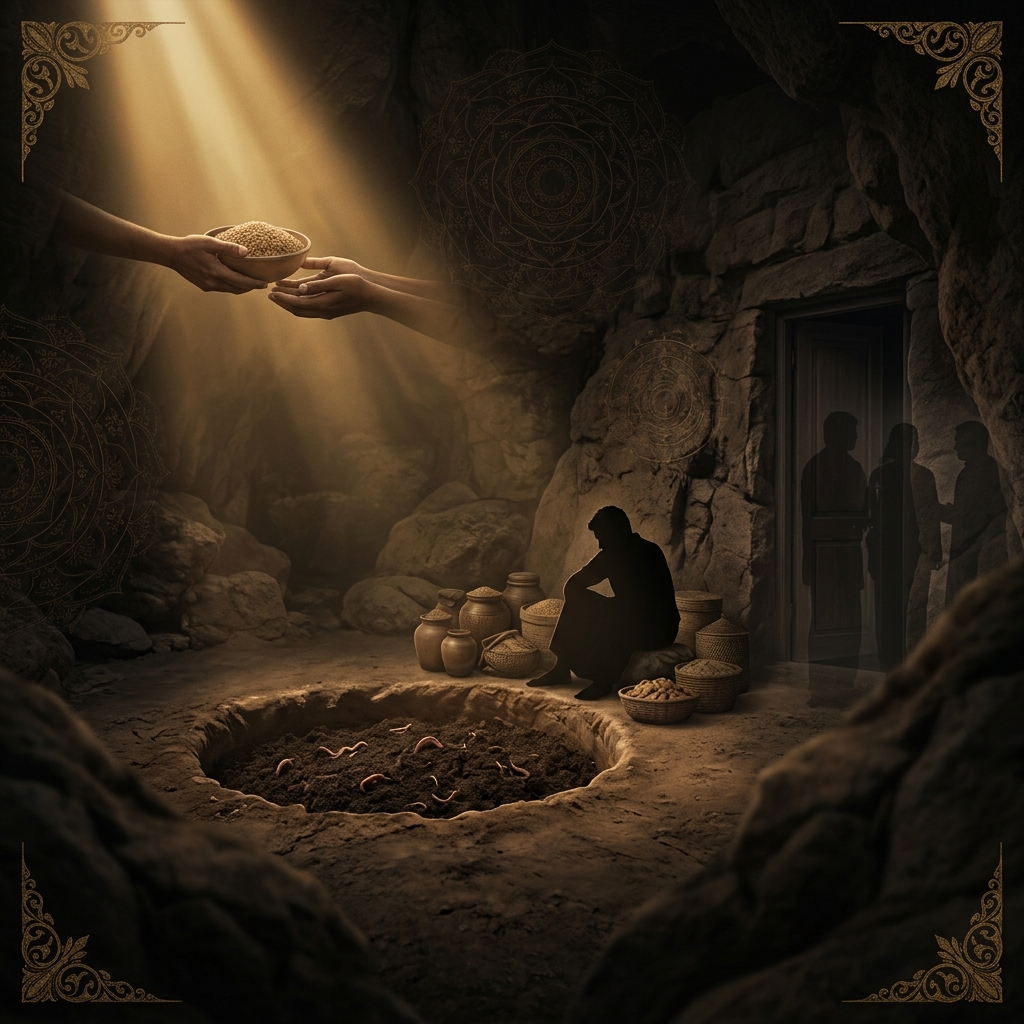
10. Krimibhojana (Krimibhaksha)
Meaning: Realm of Microscopic Organisms.
Traditional Context: Relates in puranic texts to individuals who
enjoyed luxurious meals or wealth while callously neglecting starving guests, family, or
animals.
Spiritual Interpretation: Highlights how hoarding resources and
indulging selfishly starves the human heart of divine grace and generosity.
Spiritual Lesson: Practice sacred hospitality (Atithi Devo Bhava) and
share your food and prosperity generously with those in need.

11. Sandamsa
Meaning: Tongs of Correction.
Traditional Context: Associated in puranic commentaries with the theft
of sacred temple property, public funds, or trust resources.
Spiritual Interpretation: Symbolic of how violating public trust or
sacred assets creates sharp internal spiritual guilt and loss of peace.
Spiritual Lesson: Practice non-stealing (Asteya) and handle public and
spiritual property with utmost reverence and integrity.

12. Taptasurmi
Meaning: The Burning Effigy.
Traditional Context: According to Garuda Purana teachings, Taptasurmi
relates to coercive, illicit relationships where one person exploited another through
non-consensual passion.
Spiritual Interpretation: Illustrates how uncontrolled lust and
coercive desire burn away serene wisdom and noble character.
Spiritual Lesson: Uphold sexual ethics, self-restraint (Brahmacharya),
and mutual honor in all loving relationships.

13. Vajrakantaka-salmali
Meaning: Thorned Silk-Cotton Tree.
Traditional Context: Traditional texts associate this realm with
individuals who engaged in unnatural sexual exploitation or degraded sacred reproductive
energies.
Spiritual Interpretation: Teaches that misusing vital creative life
force disturbs subtle energy channels and weakens vital stamina.
Spiritual Lesson: Treat creative life force with deep spiritual
respect, purity, and sacred intention.

14. Vaitarani
Meaning: Turbulent Boundary River.
Traditional Context: Vaitarani is a famous subtle river separating
physical existence from Yamaloka, representing the crossing of souls lacking spiritual
virtue.
Spiritual Interpretation: The river's turbulence symbolizes an
unanchored mind struggling during life transitions without faith or good deeds.
Spiritual Lesson: Perform regular selfless charity (Dana), spiritual
study, and virtuous actions to build a strong spiritual anchor.

15. Puyoda
Meaning: The Impure Waters.
Traditional Context: According to puranic references, Puyoda relates to
those who led others into harmful addictions or exploited vulnerable dependents.
Spiritual Interpretation: Teaches that misleading others or corrupting
innocent minds creates negative spiritual impressions in one's own subtle body.
Spiritual Lesson: Be a positive beacon of encouragement, righteous
guidance, and constructive influence to everyone around you.
16. Pranarodha
Meaning: Obstruction of Life Force.
Traditional Context: Relates in traditional texts to individuals who
hunted animals for amusement or tormented living creatures without
justification.
Spiritual Interpretation: Illustrates how restricting another being's
breath restricts one's own subtle vital Prana and inner peace.
Spiritual Lesson: Respect every living creature's right to life and
practice universal kindness toward all beings.
17. Visasana
Meaning: Realm of Slaughter.
Traditional Context: Associated with wealthy individuals who
vanity-slaughtered animals in ostentatious, insincere mock rituals.
Spiritual Interpretation: Highlights how performing sacred rituals out
of ego or pride strips away spiritual merit and damages internal purity.
Spiritual Lesson: Conduct all prayers, rituals, and offerings with
genuine humility, non-violence, and pure devotion.
18. Lalabhaksha
Meaning: Stream of Excess.
Traditional Context: Associated in puranic literature with partners who
subjected their spouses to humiliating or degrading sensory indulgences.
Spiritual Interpretation: Teaches that degrading another human being
degrades the perpetrator's own spiritual nobility and self-worth.
Spiritual Lesson: Cultivate mutual dignity, sacred respect, and
spiritual elevation within marriage and family life.
19. Sarameyadana
Meaning: Realm of Hounds.
Traditional Context: Traditional scriptures associate this state with
arsonists, poisoners, or those who deliberately destroyed public infrastructure.
Spiritual Interpretation: Symbolizes how unleashing destructive chaos
into the world eventually returns to confront the perpetrator's mind.
Spiritual Lesson: Actively safeguard public health, environmental
safety, and communal harmony.

20. Avici (Avicimat)
Meaning: Motionless Realm.
Traditional Context: Avici means wave-less. Scriptural
accounts associate this realm with those who committed perjury or swore false
oaths.
Spiritual Interpretation: Represents how persistent falsehood
rigidifies the mind into unyielding, stagnant spiritual numbness.
Spiritual Lesson: Uphold strict truthfulness (Satya) in legal,
personal, and spiritual testimony under all circumstances.
21. Ayahpana
Meaning: Consumption of Molten Elements.
Traditional Context: Associated in puranic texts with individuals who
consumed intoxicants while under sacred vows of sobriety or spiritual
discipline.
Spiritual Interpretation: Teaches that breaking self-chosen spiritual
vows burns away hard-earned spiritual merit (Punya).
Spiritual Lesson: Honor your sacred commitments, vows (Vratas), and
personal discipline with steadfast willpower.
22. Ksharakardama
Meaning: Mire of Caustic Elements.
Traditional Context: Associated with arrogant individuals who publicly
insulted spiritual preceptors, virtuous elders, or noble teachers.
Spiritual Interpretation: Illustrates how disrespecting spiritual
guides creates a corrosive internal mental environment hostile to wisdom.
Spiritual Lesson: Cultivate deep reverence (Shraddha) and gratitude
toward spiritual teachers, elders, and sacred lore.
23. Raktahobhoja
Meaning: The Red Stream.
Traditional Context: Scriptural texts associate this state with
practitioners who engaged in harmful occult rites or blood sacrifices for selfish
power.
Spiritual Interpretation: Highlights how manipulating subtle life
forces for self-serving domination entangles the soul in heavy karmic debt.
Spiritual Lesson: Seek divine blessings exclusively through pure
(Sattvic), benevolent, and righteous practices.

24. Sulaprota
Meaning: Trident Piercing Realm.
Traditional Context: Associated in puranic accounts with betrayers who
turned upon innocent friends, allies, or trusting companions.
Spiritual Interpretation: Symbolizes how acts of treachery inflict
sharp, agonizing remorse upon the perpetrator's conscience.
Spiritual Lesson: Be a trustworthy, steadfast friend and loyal
protector of those who place their trust in you.
25. Dandasuka
Meaning: Realm of Serpents.
Traditional Context: Traditional scriptures associate Dandasuka with
envious individuals who constantly harassed others with slander and malicious
gossip.
Spiritual Interpretation: Teaches that habitual envy and spite function
like subtle venom, poisoning the host's own mind.
Spiritual Lesson: Practice loving-kindness (Maitri) and sincerely
rejoice in the success and happiness of others.
26. Vatarodha
Meaning: The Gusting Winds.
Traditional Context: Relates in puranic texts to individuals who
harassed peaceful travelers, hermits, or mountain dwellers.
Spiritual Interpretation: Symbolic of how disturbing others' peaceful
journeys subjects one's own mind to chaotic emotional turbulence.
Spiritual Lesson: Offer safe passage, warm hospitality, and assistance
to wayfarers and spiritual seekers.
27. Paryavartana
Meaning: The Inverted Realm.
Traditional Context: Associated with individuals who denied food or
basic shelter to hungry guests while consuming food in secret.
Spiritual Interpretation: Highlights how turning a blind eye to others'
suffering inverts one's spiritual perspective and moral clarity.
Spiritual Lesson: Practice generous sharing of food (Bhuta Yajna)
before partaking of your own meals.
28. Abhojana
Meaning: The Fasting Realm.
Traditional Context: Scriptural texts associate Abhojana with wealthy
hoarders who refused to assist starving relatives during famines or crises.
Spiritual Interpretation: Illustrates how wealth hoarded without
charity becomes a spiritual burden that starves the soul of divine joy.
Spiritual Lesson: Use your material prosperity as a sacred tool for
cosmic good, welfare, and upliftment (Lokasangraha).